Studying in Manitoba: what nobody tells you
Manitoba might be the most underrated study destination in Canada — students who choose it often finish with less debt, more work experience, and better employment outcomes than their friends in Toronto or Vancouver. Here's the honest picture, the good and the challenging.
- Published
- July 14, 2026
- Read
- 4 min
- By
- Passage Team
- Topic
- Guides
Manitoba might be the most underrated study destination in Canada. It sits in the middle of the country, gets almost no attention in the glossy "study abroad" videos, and yet the students who choose it often finish with less debt, more work experience, and better employment outcomes than their friends in Toronto or Vancouver.
Here is what nobody tells you about studying in Manitoba — the good and the challenging.
Your money goes almost twice as far
Let's start with the numbers, because they are the reason most students look at Manitoba in the first place.
Tuition in Manitoba runs among the lowest rates in Canada. Over a four-year degree, the difference can pay for your entire living costs.
Living costs are just as friendly. Winnipeg is regularly ranked the most affordable major city in Canada for students.
The immigration pathway is a real advantage
Manitoba is a province actively investing in its newcomers, and it shows in how the province treats those who choose to build a life there. Students who study locally, gain Manitoba work experience, and put down roots often find a genuine, welcoming path toward permanent residency.
No immigration pathway is guaranteed, and rules change, so always check the official MPNP website for current requirements.
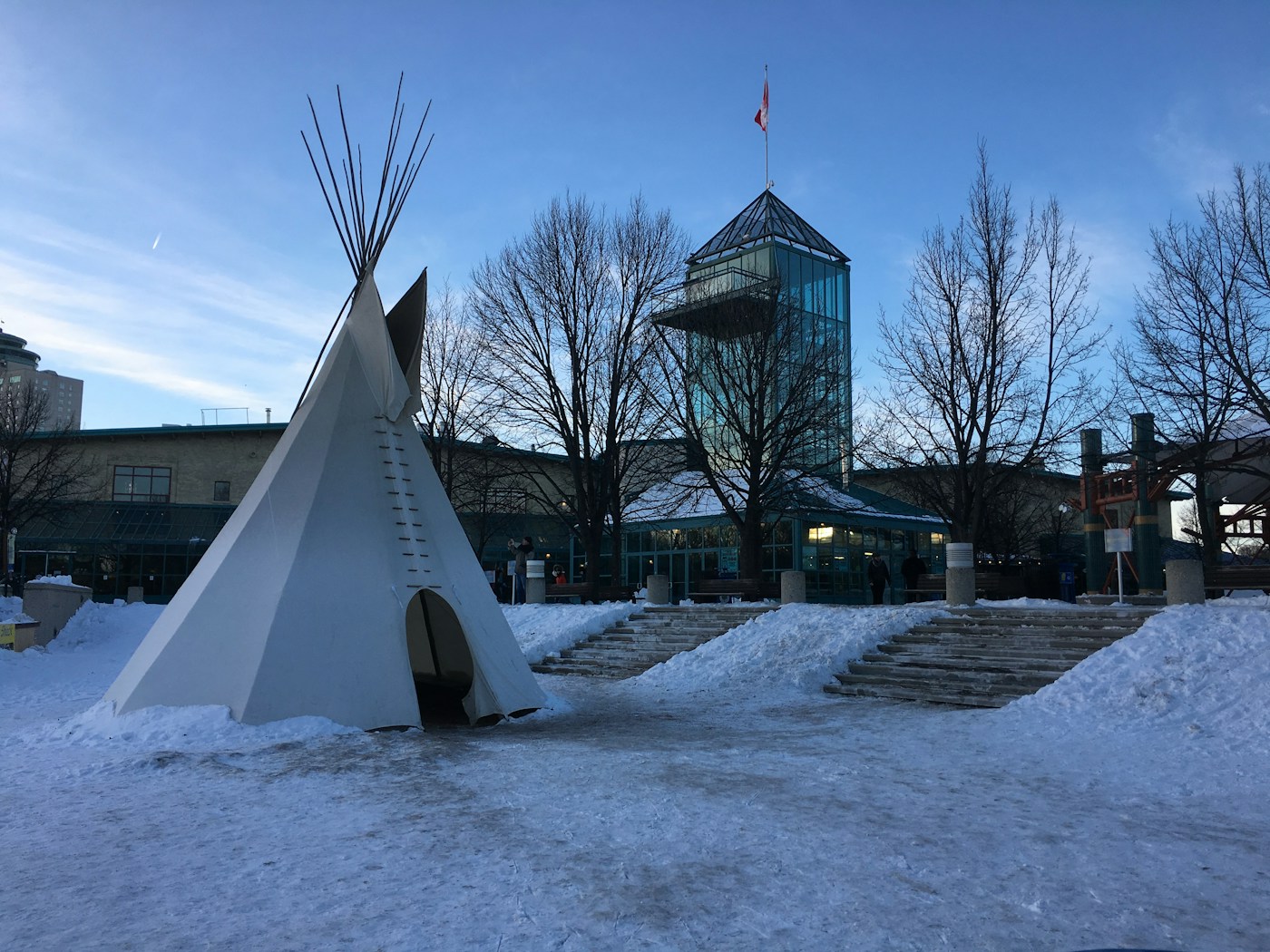
Yes, the winter is that cold. Here is the honest version.
Winnipeg's nickname is "Winterpeg," and it earns it. January temperatures can reach -30°C and sometimes colder with the wind. This is one of the coldest major cities on the planet, and pretending otherwise would not be fair to you.
Now the part nobody tells you: it is manageable, and locals will teach you how. Manitoba winter is dry and often brilliantly sunny, which feels very different from damp grey cold. Buildings, buses, and malls are seriously heated. The University of Manitoba connects buildings with indoor walkways, so you can move between classes without going outside. Proper gear (a parka rated for -30, insulated boots, layers) costs $400 to $600 and completely changes the experience.
And there are rewards: northern lights visible on clear nights outside the city, river skating trails through downtown Winnipeg, and a festival (Festival du Voyageur) that celebrates winter instead of hiding from it.
Winnipeg is a real city, which surprises people
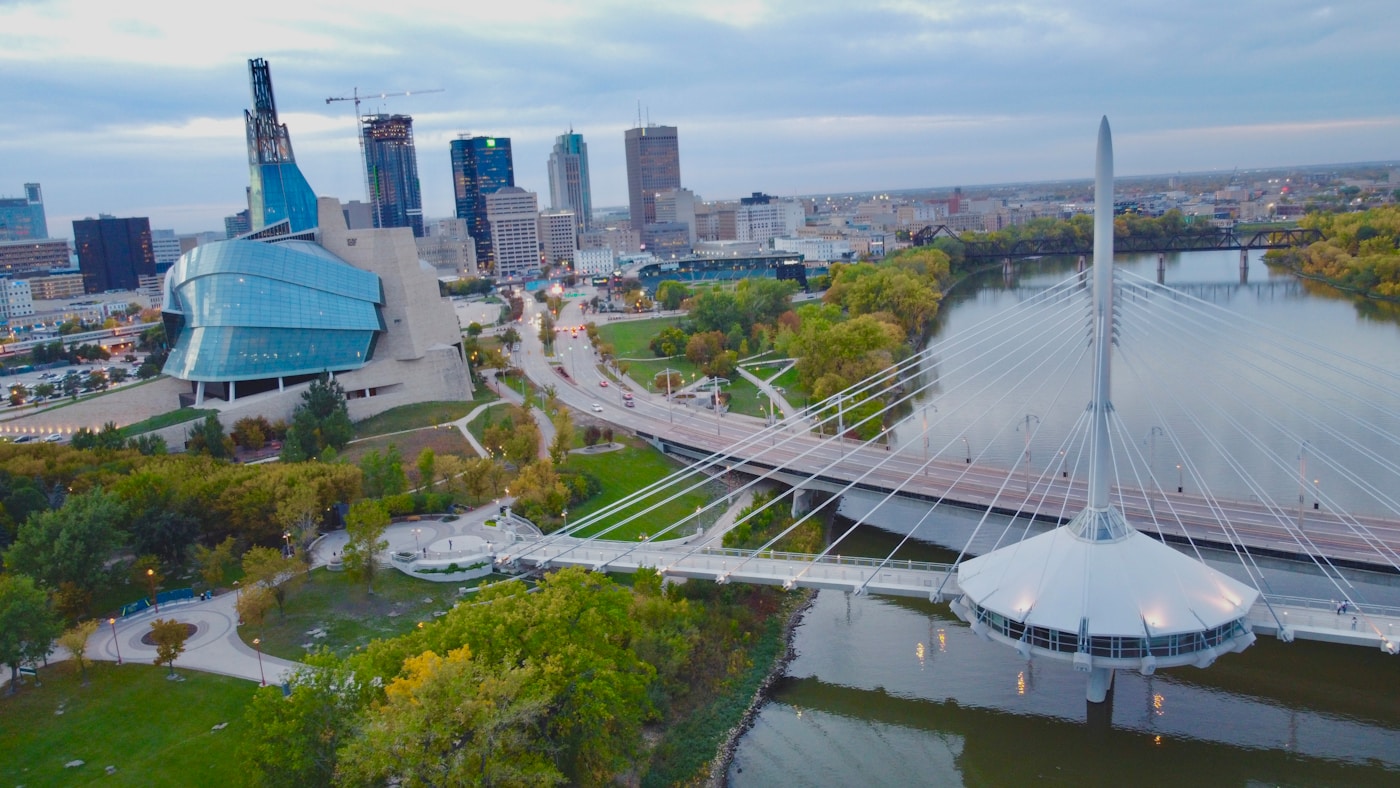
Students expect a small town and find a metro area of more than 800,000 people with pro hockey (the Jets), a famous human rights museum, a large arts scene, and one of the most diverse populations in central Canada. The Filipino, Indian, Nigerian, and Chinese communities are large and active, so home food and home languages are easy to find.
It is not Toronto, and that is the point. Traffic is light, the airport is 20 minutes from anywhere, and your friends will live a $10 ride away instead of 90 minutes across a megacity.
Part-time work is easier to find than in the big cities
Students everywhere in Canada can work up to 24 hours per week during the term. The difference in Manitoba is competition: fewer international students per job means your application actually gets read. Manitoba's minimum wage is $16.00 per hour, and many students find campus jobs, retail work, or roles connected to their studies.
With a room at $600 and a part-time job bringing in $1,200 or more per month, some Manitoba students cover all their living costs from work alone. That math is nearly impossible in Vancouver.
The things that take adjustment
Fairness requires the full picture. Health insurance is one difference: Manitoba does not give international students free provincial coverage, so you will pay for a student health plan through your school, usually $500 to $900 per year. It is still cheaper than Ontario's UHIP plus supplemental costs, but it is not free like Alberta.
Public transit is decent but bus-based; there is no subway, and winter waits at bus stops teach you to check the schedule app. Manitoba life rewards people who build community where they are.
The bottom line
Manitoba offers a simple trade: less fame, more future. Lower tuition, the cheapest big-city living costs in Canada, real universities, jobs with less competition, and one of the friendliest immigration pathways in the country. The price is a serious winter and a quieter lifestyle.
For students whose goals are a good degree, low debt, and a real chance at building a life in Canada, that trade is one of the best available anywhere. Pack the parka. Bring your ambition. Winnipeg has room for both.
If funding is part of your plan, check your eligibility with Passage to see what's available for your program.
Continue reading
- Guides
Where to buy cheap clothes in Canada: Value Village, Winners, and more
Arriving in Canada often means needing a lot of clothes fast — especially before winter. Buying everything new at full price drains money you need elsewhere. Here's where to shop second-hand and discount, and how to spend wisely.
August 21, 20263 min - Guides
Why finding your community is the key to life in Canada
When you move to Canada alone, building a community can feel like something nice to do later, once you're settled. In truth it's one of the most useful things you can do — and doing it early makes everything else easier.
August 12, 20265 min