Studying in Toronto: what nobody tells you
Every guide says the same things — big city, great universities, expensive rent. Here's the different picture that emerges after talking with international students who actually live there: the things nobody puts in the brochures.
- Published
- July 9, 2026
- Read
- 5 min
- By
- Passage Team
- Topic
- Guides
Every guide about studying in Toronto tells you the same things. Big city, great universities, very multicultural, expensive rent. After talking with many international students who actually live there, a different picture appears: the things nobody puts in the brochures.
Here is what students wish someone had told them before they landed at Pearson Airport.
"Toronto" is bigger than you think
When people say Toronto, they often mean the Greater Toronto Area (GTA), a huge region that takes over an hour to cross. Your school might say "Toronto" but sit in Mississauga, Scarborough, or North York.
Why this matters: if you rent a cheap room far from campus, you might spend three hours a day on buses and trains. Before you sign any lease, put the address and your campus into Google Maps and check the transit time at 8 a.m. on a weekday. A 90-minute commute is normal — so make sure to factor this into your plans.
The rent listings are a game, and you need the rules
Toronto rents have actually fallen about 3% over the past year as thousands of new condos opened. There are more options than there were two years ago.
But the market moves fast, and scammers hunt for international students. The rules experienced students follow: never send money before seeing a unit (in person or on a live video call), and use your school's official off-campus housing service, which is free and lists verified landlords. Ask your friends or the Passage support team if you have any questions.
Winter is not the problem. February is.
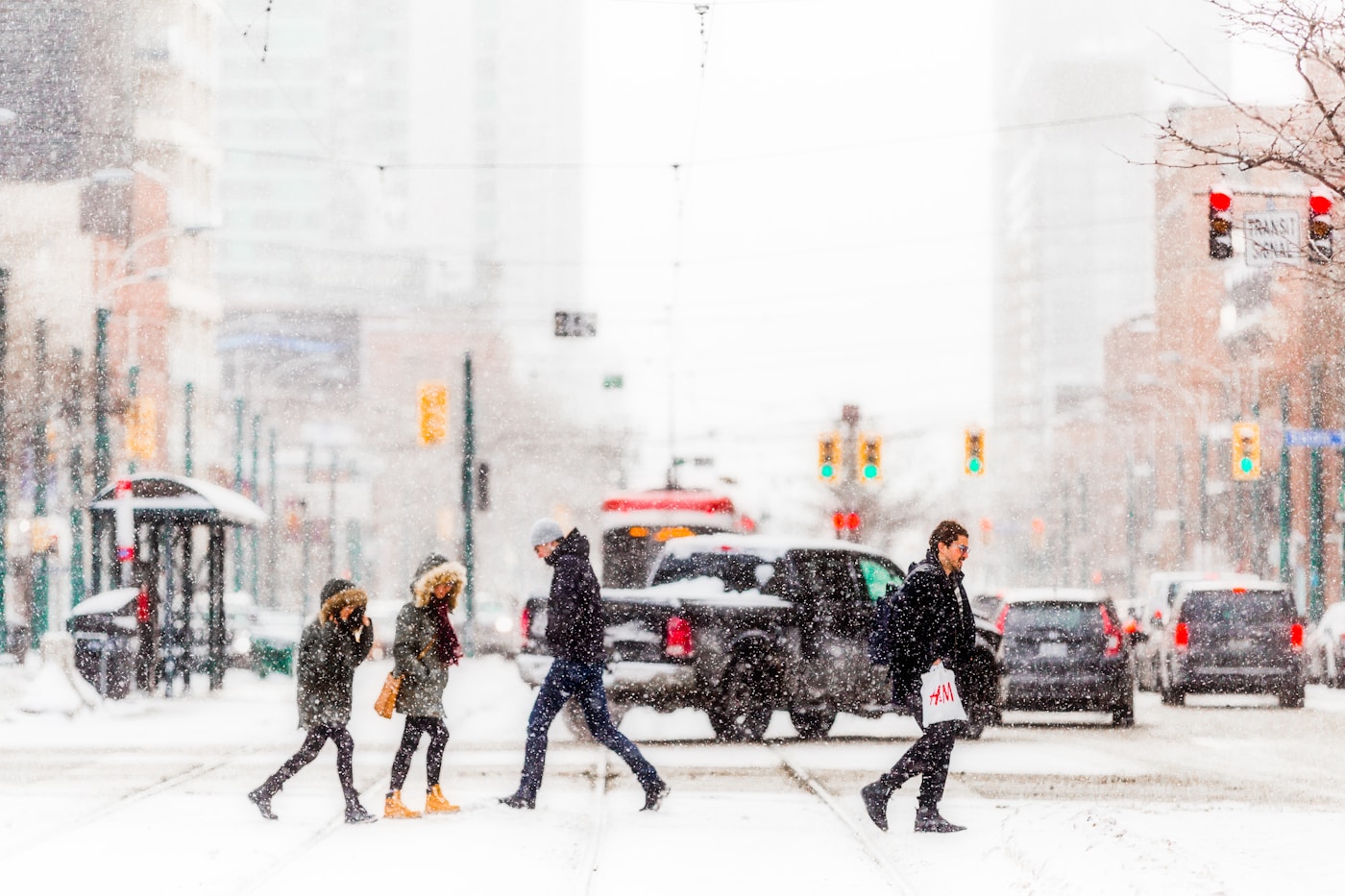
New students fear the cold, buy a good coat, and survive December fine. Then February arrives. The snow turns grey, the sun disappears for days, the sidewalks become slush lakes, and the semester's hardest assignments all land at once.
The students who do well plan for February like a project: they book social events in advance, use campus gyms, take vitamin D, and treat low mood seriously. Every Toronto school has free counselling services. The winter blues are real, common, and treatable — and nobody talks about them in the promotion videos.
The TTC will shape your life
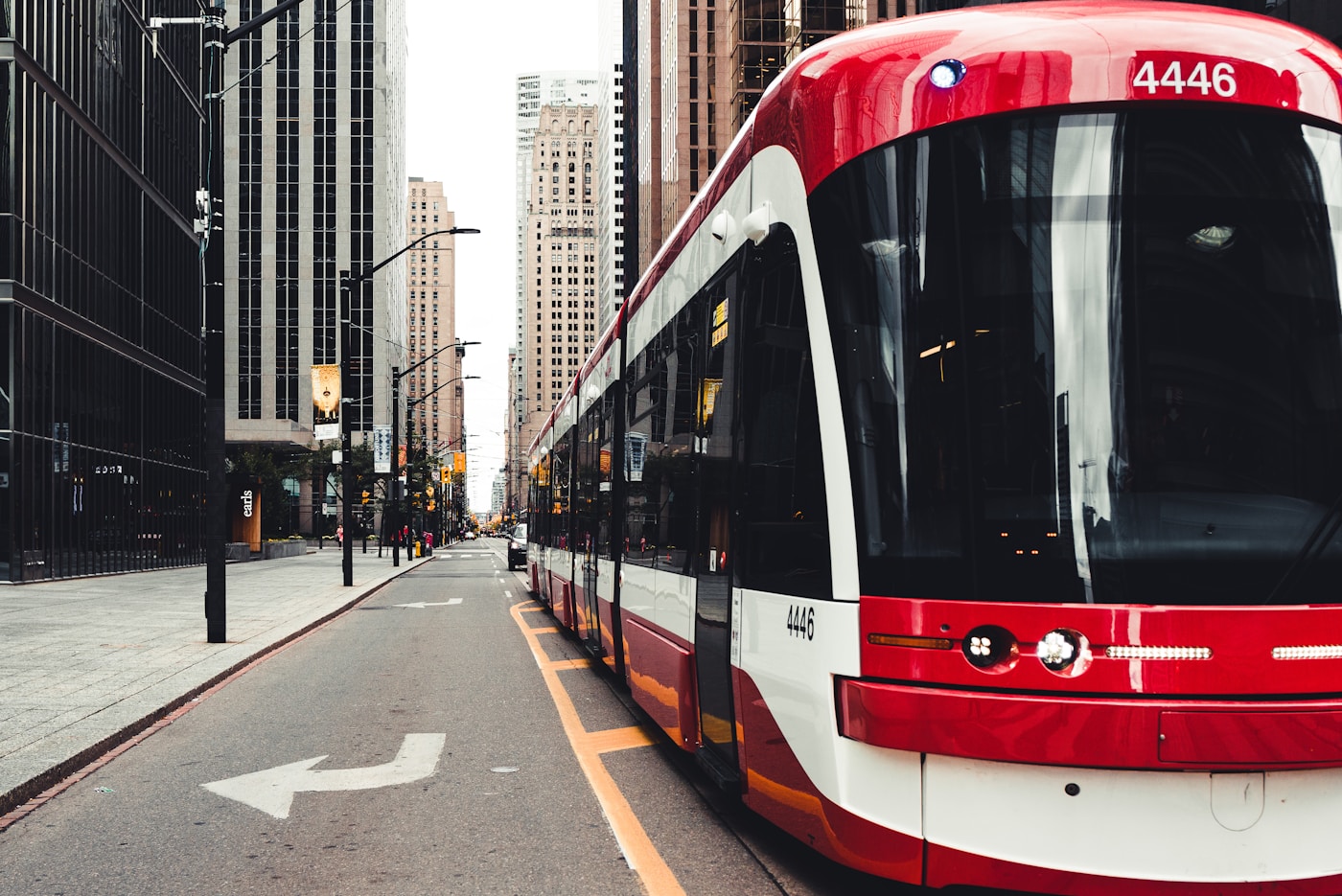
Toronto's transit system, the TTC, costs about $156 per month and will be your lifeline. Unlike some cities, most Toronto universities do NOT include a transit pass in tuition, so budget for it.
What nobody tells you: the subway map looks small compared to the city's real size. Most of Toronto is connected by buses, and buses in winter can be slow and packed. Living directly on a subway line (Line 1 or Line 2) makes your entire life easier, and it is worth prioritizing to live nearby if you can.
Your classmates are the whole world, and that changes you
More than half of Toronto's residents were born outside Canada. In one group project, you might work with students from Nigeria, Brazil, Vietnam, and Ukraine. You will find your home country's food, groceries, places of worship, and festivals somewhere in the city, usually within a bus ride.
The hidden challenge: because it is so easy to stay inside your own community, some students spend years in Toronto without ever building friendships outside their language group. The students who grow the most push themselves to mix.
Definitely take advantage of having a community to build a network and support systems with, but also don't miss out on the chance to push yourself. Join one club that has nothing to do with your background. It changes everything.
Part-time jobs exist, but competition is real
You can work up to 24 hours per week during the term, and Ontario's minimum wage is $17.60 per hour. Toronto has endless restaurants, stores, and warehouses hiring students.
What nobody tells you: so does every other student. Competition for easy campus-area jobs is intense, especially in September. Students who succeed apply early, apply in person with a smile, and look one neighbourhood beyond campus where fewer students bother to go. On-campus jobs are gold: convenient, understanding of exam schedules, and they look good on your resume.
The small costs of a big city
Toronto quietly charges you for existing. Two examples students mention again and again:
Eating out is a trap. A basic lunch costs $15 to $20 after tax and tip. Do that three times a week and you have spent an extra $200+ per month. Meal prep is a survival skill here.
Fun costs money, but not always. Concerts, clubs, and restaurants will happily empty your account. But Toronto is also full of free things: the islands in summer, free museum nights, festivals nearly every weekend, and endless neighbourhoods to explore. The students who love Toronto on a budget learn the free calendar fast.
It gets better after the first four months
Almost every student says the same thing: the first semester in Toronto is overwhelming. The size, the pace, the cost, the cold, the homesickness. And almost every student also says it turned around once they found their people, their routine, and their favourite corners of the city.
Toronto does not hug you when you arrive. Once you understand how to navigate it, it offers more opportunity, more diversity, and more energy than almost anywhere in Canada. Come prepared, build a real budget, guard your February mood, and give it time. The city grows on you exactly when you stop expecting it to.
If funding is part of your plan, check your eligibility with Passage to see what's available for your program.
Continue reading
- Guides
Where to buy cheap clothes in Canada: Value Village, Winners, and more
Arriving in Canada often means needing a lot of clothes fast — especially before winter. Buying everything new at full price drains money you need elsewhere. Here's where to shop second-hand and discount, and how to spend wisely.
August 21, 20263 min - Guides
Why finding your community is the key to life in Canada
When you move to Canada alone, building a community can feel like something nice to do later, once you're settled. In truth it's one of the most useful things you can do — and doing it early makes everything else easier.
August 12, 20265 min